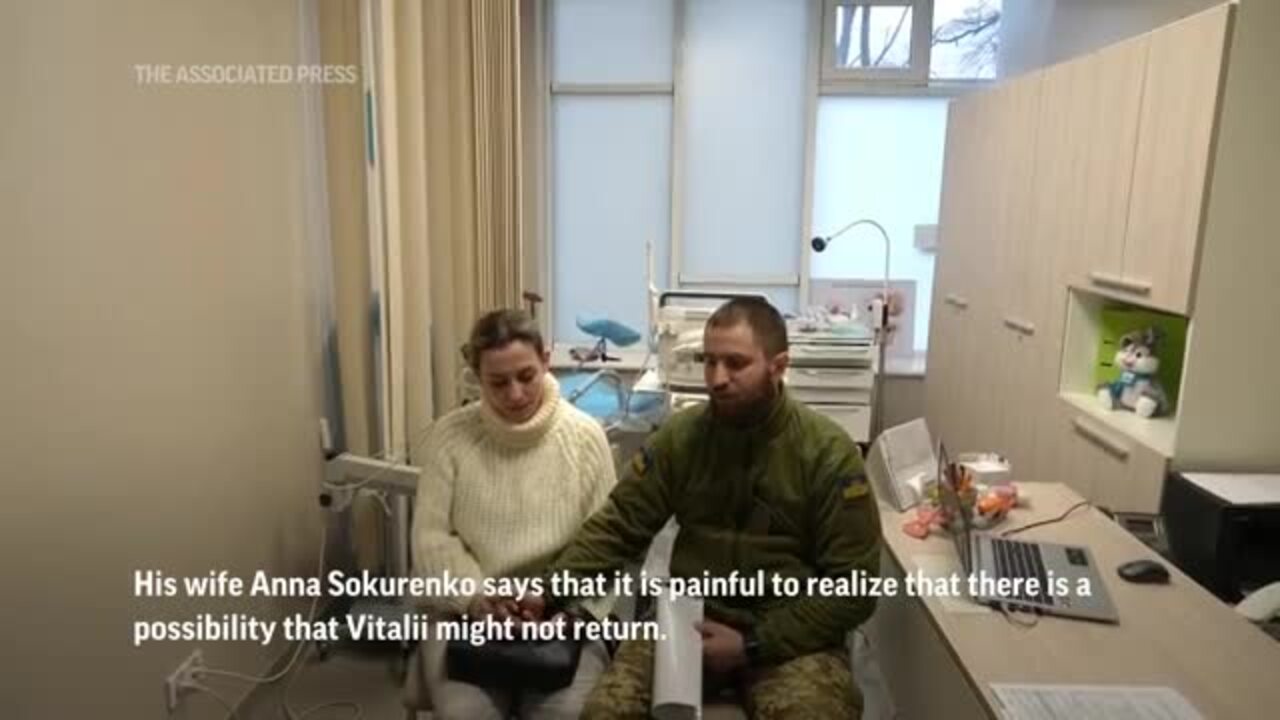
Things are not going well in your marriage, are they? You have stopped telling your husband about your day because something inevitably sets him off. You get the feeling your wife would rather be at work or at her violin lessons or talking to her sister than spending time with you. You picked up your servicemember’s phone and found dozens of text messages from another woman. Worst of all, somehow you suspect that your partner in life doesn’t really care about you anymore.
Being married to the military can be harder than we expected. The unforeseen challenges we face our civilian friends don’t understand. Most military marriages have rough spots from time to time. Military couples say that those rough spots are often temporary.
Getting help early during those hard times can be the difference between staying married and considering divorce. Here are five things you should do if your military marriage is in trouble:
Find out why your marriage isn’t working.
Most people have a hard time wrapping their heads around the “underpinnings” of a marriage. On the surface, the problems may seem straightforward -- “He doesn’t respect me.” Or “She doesn’t understand who I am anymore.” Marriage therapists say that understanding the “why” behind those statements is critical to saving a marriage. In many cases, you will need help outside of your usual support network. You will need professional advice and couples therapy. Although your partner might think that seeking counseling is a sign of weakness, there is no shame in wanting to make your marriage work. Counseling works. Even if it only works for you.
Know divorce will not be easy.
If you feel that divorce is inevitable, know that it is not going to be an easy process. Military couples report that it is much more complicated than they expected, especially if children are involved. Going through the process of marriage counseling and doing the work you and your partner need to do to make the marriage move forward may be much easier than the process of divorce. However, it’s you’ve exhausted all efforts to reconcile, be prepared for what happens next. Knowing your rights as a military spouse is CRITICAL before you consider divorce. There are many laws that protect military spouses’ rights as well active members. However, they are rich with complicated details and exceptions. The process can take longer than civilian marriages because of the unique circumstances of being military. It is not a sprint; it’s a marathon. You need to be prepared before you start.
Read the Uniformed Services Former Spouse Protection Act (USFSPA). No, really read it.
USFSPA is a congressional act that has been in place since 1981 to give former military spouses protection. It specifically spells out what former spouses are entitled to and what they are not. It covers retirement pay, insurance, survivor benefits and countless other important issues. When it comes to retirement pay for eligible spouses, USFSPA treats retirement pay as marital property. The law allows a state to refer to military disposable retired pay as marital property and therefore divide it in a divorce. USFSPA allows the court to treat military retired pay as the same as a civilian pension plan.
Prepare to divorce the military community.
In a military divorce, not only do you lose the servicemember, but spouses frequently lose the relationships, networks and support they built in the military, too. This is the unforeseen consequence of a divorce for a military spouse. Some former military spouses say this transition is surprisingly harder than living independently from their active-duty member. Their military friendships, experiences, and support slowly fade away. Some say it’s a welcome change, while others struggle to find similar friendship and support outside the military in the short-term.
Find a professional who specializes in military divorces.
If you and your active-duty member have exhausted every possible solution and feel that divorce is your only option, then seek the advice of an attorney who specializes in military marriages. It is a specific practice and expertise; don’t underestimate the benefit of finding someone with this knowledge. Not every divorce attorney is schooled at military divorce. As stated before, military divorces are different with different sets of entitlements. It’s a good idea to get the best legal advice possible, not only for you but also for the active-duty member. But this is the last resort. With professional help, your marriage could be saved.
Helpful Resources For Troubled Couples
The military provides numerous free counseling and services for your family. A quick and easy place to begin is the local base or post chapel. Most military chaplains received training in marriage counseling techniques. And they can refer you to other resources if necessary.
Contact Military OneSource on the web or call 800-342-9647 for information on counseling in your local area. It’s free and doesn’t have to be reported back to your spouse’s unit. This counseling can be conducted face-to-face or over the phone and addresses non-medical, short-term concerns for up to 12 sessions per issue per person. Services are designed to provide help with short-term issues such as adjustment to situational stressors, stress management, decision making, communication, grief, blended-family issues, and parenting issues. They even offer counseling over the phone and online.
Military Family Life Consultants (MFLC) are located at every military installation and housed in the Family Support or Readiness Centers. These consultants have a Masters's or Ph.D. level of education and training. They can help with many issues, including relocation adjustment, separation, homesickness, anxiety, personal financial management, relationship issues, parenting, anger management and conflict resolution. They can meet with you anywhere but at your home and they take no written records.
Whether you’re a spouse or active-duty member, you can find out more about your legal rights at your local military legal office and schedule an appointment with an attorney. Although they cannot represent you, they can review documents, answer questions and refer you to legal documents and forms. You can find links to military legal assistance offices at the Military.com Free Legal Assistance web page.
Reach out for help before you make any major decisions about your marriage. It’s free and your family’s health is worth it.
-- Stacy Allsbrook-Huisman is a freelance writer and consultant with a passion for military spouses and families. Being married to the Air Force for almost a decade has given her the inside perspective into the life and struggles of the military family. You can contact Stacy Huisman at stacyhuisman@gmail.com or find her on Twitter!
Keep Up with the Ins and Outs of Military Life
For the latest military news and tips on military family benefits and more, subscribe to Military.com and have the information you need delivered directly to your inbox.