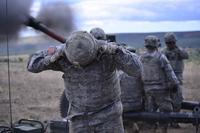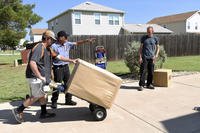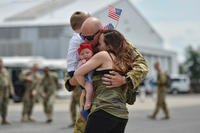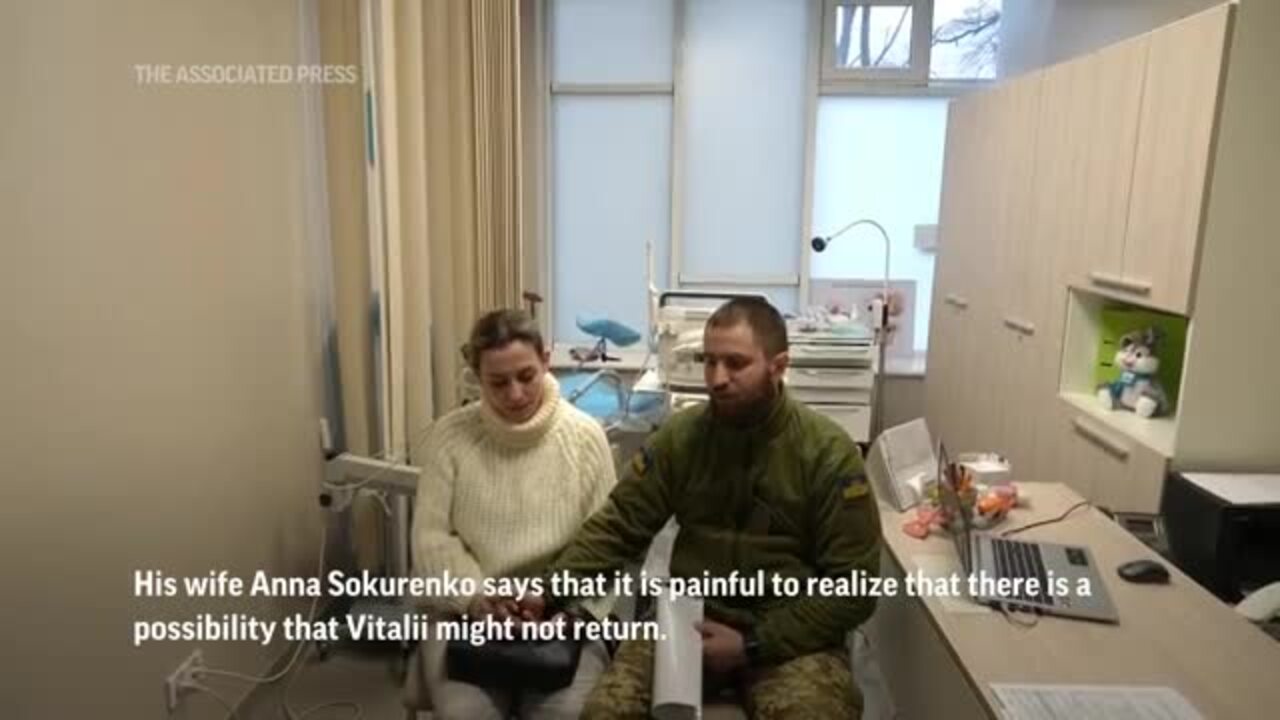
Military Families have experienced the emotional trauma of deployment on an unprecedented scale since the end of the Gulf War. Humanitarian missions and peace enforcement have sent our troops to Somalia, Cuba, Haiti, Bosnia, Kosovo, Iraq and Afghanistan. In the last decade, military downsizing has increased the likelihood that each Soldier will eventually participate in an extended mission.
The impact of these long separations is of increasing concern with two-thirds of Soldiers now married and deployments to the Former Yugoslavia entering a fifth year. Differing coping strategies are needed through five stages of deployment. Education of health care providers, military leaders, Soldiers and Family members to anticipate these stages is crucial to ensure the Soldier's safe return and to minimize familial trauma.
The Five Stages
- Pre-deployment (varies)
- Deployment (1st month)
- Sustainment (months 2 thru 5)
- Re-deployment (last month)
- Post-deployment (3-6 months after deployment)
The emotional cycle of an extended deployment, six months or greater, is readily divided into five distinct stages. These stages are comprised as follows: pre-deployment, deployment, sustainment, re-deployment and post-deployment. Each stage is characterized both by a time frame and specific emotional challenges, which must be dealt with and mastered by each of the Family members.
Failure to adequately negotiate these challenges can lead to significant strife - both for Family members and the deployed Soldier. Providing information early about what to expect, especially for Families who have not endured a lengthy separation before, can go a long way towards "normalizing" and coping positively with the deployment experience. Furthermore, promoting understanding of the stages of deployment helps to avert crises, minimize the need for command intervention or mental health counseling and can even reduce suicidal threats.
Lessons Learned
There are many challenges for military Families to overcome during the five stages of deployment. Anticipating these challenges is important to minimize the emotional trauma caused by extended deployment. It is important not to over-interpret arguments which are often caused by the pain and loss of separation. Resolving marital issues that precede deployment is very difficult to accomplish over long distances and is probably best left until the Soldier's return. Dates of departure and return often "slip" forwards and backwards. Establishing or maintaining a support network helps Families cope.
Rumors are hurtful and are best not repeated. If they cannot be resolved, then contact the chain of command to find out the truth or put a stop to them. Breaking up the time is a useful technique to prevent being overwhelmed. This can include: weekly get-togethers with other Families, monthly outings for the children (a favorite restaurant, the park, a picnic etc.), and a visit to, or from, parents and in-laws around mid-deployment just to name a few. In order to maintain their sanity, parents - now "single" because of the deployment - will need time without their children. Scheduling a regular "Mommy's (Daddy's) day out" can be achieved by daycare or sharing sitting with someone you trust. Overspending or increased alcohol use may provide short-term relief; but in the long-term, they will only exacerbate the stress of deployment.
Lastly, and most importantly, Soldier, spouse and children will change and grow during the deployment. It is critical to go slow, be patient and allow several months to reestablish Family bonds.
Helpful Hints
- Establish a base of support
- Make plans to break up time
- E-mail/phone calls/letters
- Avoid overspending/alcohol
- Single" parents need time without kids
Over the years -- beginning with the Persian Gulf War, through the Kosovo War and now with Iraq and Afghanistan -- Soldiers and their Families have had to adapt to a major shift in U.S. foreign policy and the role of the Army in extended multinational deployments. These experiences have provided new insight into the different skills needed to minimize familial trauma. Furthermore, Family well-being is not only essential to mission success with two-thirds of Soldiers now married, but also to the future health of the Army through retention of trained Soldiers.
Health care professionals (including civilian providers accepting Tricare) and military leaders must be prepared to support Soldiers and their Families through the five stages of deployment. Providing information early, about what to expect, will help families cope with the deployment experience. More research is needed, about the impact of deployment on Soldiers and their families, to ensure that our forces are better prepared and ready for challenges of the next century.
Keep Up with the Ins and Outs of Military Life
For the latest military news and tips on military family benefits and more, subscribe to Military.com and have the information you need delivered directly to your inbox.