






Get the Veteran Jobs Newsletter
Get the scoop on military employers and the latest award-winning content. Right in your inbox.

Search the largest free veteran jobs board, find jobs with military-friendly companies, build and post your civilian resume and network with veterans to make the most out of your military skills and experience in the civilian world.
Search various industries to find jobs to fit your specific skills and experience.
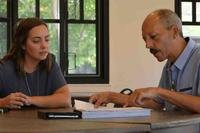
Use our job hunting resources to get on the right path to start your civilian career. Find out how to begin your job search, craft your resume and fine-tune your interviewing skills.
Jacey Eckhart MA CPCC is Military.com's Transition Master Coach. Check back regularly to get Jacey's latest career advice below and visit the Veteran Employment Project page to sign up for exclusive FREE master classes hosted by Jacey.
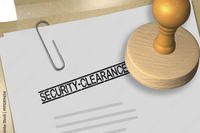
Are you considering a career that requires a security clearance? Find out what it takes to get a job that requires you to have security clearance and put your military skills and experience to use.
Stay informed with the latest job search information, interview advice and resume building tips for veterans transitioning to a civilian career.
These veteran friendly companies are offering the information you need to make important decisions about your civilian job search. Their employer profile pages will help you get the answers you need for a successful civilian job search.


There’s a lot to consider when looking for employment as a military spouse. Here are career tips and job search information for military spouses.


Get the scoop on military employers and the latest award-winning content. Right in your inbox.