A viral video created with artificial intelligence showing Tom Cruise fighting Brad Pitt has triggered a major copyright clash between Hollywood studios and the Chinese tech giant behind TikTok.
The hyper-realistic deepfake, generated by ByteDance’s new Seedance 2.0 AI video model, has drawn fierce criticism from Disney, the Motion Picture Association and major entertainment unions. Studios say the tool appears to recreate copyrighted scenes and characters without authorization. At the center of the backlash is Disney, which has sent a cease-and-desist letter to ByteDance, accusing the company of unlawfully using its intellectual property.
The writer and producer of Deadpool and Deadpool 2 shared the clip on X, with the caption "I hate to say it. It’s likely over for us."
According to a report first published by Axios, Disney alleged that Seedance 2.0 was stocked “with a pirated library of Disney’s copyrighted characters,” treating franchises including Star Wars, Marvel and Family Guy “as if it was free public domain clip art.”
“ByteDance’s virtual smash-and-grab of Disney’s IP is willful, pervasive, and totally unacceptable,” Disney’s counsel wrote in the letter.
The Tom Cruise–Brad Pitt deepfake is only one example drawing scrutiny. Users have reportedly prompted Seedance 2.0 to generate scenes resembling Avengers: Endgame, alternate endings to Netflix’s Stranger Things, and other recognizable Hollywood properties.
The speed at which the Cruise vs. Pitt video spread online intensified concerns across the industry. The Motion Picture Association called on ByteDance to halt what it described as widespread infringement.
In a single day, the Chinese AI service Seedance 2.0 has engaged in unauthorized use of U.S. copyrighted works on a massive scale...By launching a service that operates without meaningful safeguards against infringement, ByteDance is disregarding well-established copyright law that protects the rights of creators and underpins millions of American jobs.
The dispute unfolds amid heightened scrutiny over artificial intelligence in entertainment. The Human Artistry Campaign, which includes SAG-AFTRA and the Directors Guild of America, described Seedance 2.0 as a threat to creators worldwide.
“Stealing human creators’ work in an attempt to replace them with AI-generated slop is destructive to our culture,” the group said. “Stealing isn’t innovation.”
The controversy also carries political implications. TikTok’s U.S. operations were spun off into a separate joint venture last month after Congress passed legislation requiring ByteDance to divest its American business due to national security concerns.
Now, the company faces a different kind of pressure — from Hollywood studios arguing that copyright law is essential to protecting the U.S. film and television industry. Disney has previously taken action against AI platforms. In December, it sent a cease-and-desist letter to Google over prompts that generated Disney-owned characters. Google’s AI tools, including Gemini, later began restricting certain character-based prompts.
At the same time, Disney has embraced AI under controlled conditions. The company recently signed a reported $1 billion licensing agreement with OpenAI to allow certain characters to be used within OpenAI’s generative video tool, Sora. Industry observers note that the key distinction is authorization and compensation.
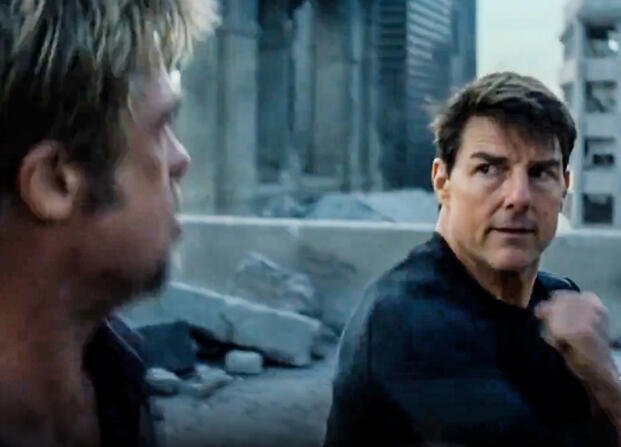
The Cruise vs. Pitt deepfake may have grabbed headlines, but the broader issue is whether AI companies can train on and generate content from copyrighted films without studio approval.
For Hollywood, the stakes are high. Studios argue that U.S. copyright protections support millions of jobs across production, post-production, and distribution. They warn that AI systems capable of instantly recreating decades of film content could undermine that economic foundation.
For ByteDance, Seedance 2.0 represents an aggressive expansion into the fast-growing generative video market. With Disney issuing formal legal demands and industry groups calling for enforcement, the Tom Cruise–Brad Pitt AI video has become more than viral entertainment. It is now a test case in the escalating battle between Big Tech and Hollywood over who controls the future of film in the age of artificial intelligence.