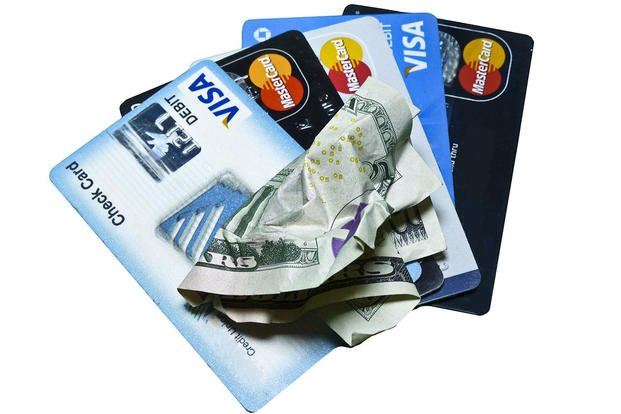
Millions of Americans — civilians and servicemembers alike — owe too much money. Today, the U.S. national debt tops $10 trillion dollars. Individuals owe an additional $2.55 trillion in consumer debt — excluding mortgage debt. The average American with a credit file is responsible for $16,635 in debt, excluding mortgages, according to Department of Defense estimates.
Most people don't realize they are in too deep until it's too late. Are you over your head? A "yes" to one or more of these questions means trouble:
- Do you have trouble making even minimum payments on credit card and other debt?
- Are you behind on any monthly payments?
- Are collectors calling?
- Do you juggle credit card balances to pay off other bills?
- Do you use credit cards to pay for needs (food, housing, utilities, auto payments) — and cannot pay off the balance each month?
Money problems can affect your ability to rent a home, purchase a car or add a security ranking. Debt can be considered a "dishonorable" condition, and if your job requires a certain security clearance that you can't attain, you could be reclassified or even discharged. If you're in debt trouble, take action.
Live within your means. The first rule is simple: Spend less than you earn. Discipline yourself to stick to a budget. Get out of the mindset that you can buy anything you want and pay it off later. Use cash or a debit card for daily purchases. Never use payday loan services. While members of the military currently use payday loans three times as often as civilians, these lenders charge exorbitant interest rates and create an unhealthy cycle of debt, reports the DoD. To ease the transition to a penny-pinching lifestyle, check Military.com and other sites where you can find many tips for frugal living.
Pay off what you can. Ultimately, you want to pay off credit cards every month and live debt-free. Meanwhile, start knocking out credit card debts. First, pay as much as you can on your debt that has the highest-interest rate. Stay current with other debts by making minimum payments. When the first debt is repaid, use the same strategy on the next-highest-rate debt. Note: Always make payments on secured debts (mortgage, car) first.
Get help. It's best to handle debt yourself, because it protects your credit score. If you cannot make even minimum payments on bills, call creditors and ask for temporary hardship status. Some creditors may work out payment plans. Creditors do not have to negotiate, but it is often in their interest to do so, since it makes payoffs more likely.
If you cannot make even minimum payments, other options include:
- Debt settlement. A debt settlement firm negotiates on consumers' behalf to lower balances due. Savings of up to half the full amount owed are not uncommon; the debt settlement firm is paid a fee from a portion of the savings. Debt settlement typically provides better repayment terms than a Chapter 13 bankruptcy filing and does not leave a permanent bankruptcy judgment on one's record. Debt settlement does harm credit ratings (which consumers can build up again). It is best suited for people with large debt burdens who are unable to make required payments.
- Debt consolidation. Debt consolidation clients usually make one monthly payment to a service, which the service then uses to pay creditors. Some debt consolidators charge high fees, so beware, and check a firm's reputation before signing on. Those working with a debt consolidator sacrifice two things: the freedom to open and use additional credit lines and, in many cases, a positive credit score.
- Bankruptcy. Bankruptcy destroys a filer's credit rating for many years. It is harder to obtain than it used to be, and more expensive. Under bankruptcy reform laws enacted in 2005, few people can actually eliminate most consumer debt by filing Chapter 7 bankruptcy. Chapter 13 bankruptcy filings, which require consumers to pay back debt on a repayment plan, are still available, but only to those whom their state determines, through its means test, have enough income to pay back at least some of their debt. Repayment terms generally are less favorable than those found with debt settlement.
As with any type of discipline, facing up to unhealthy debt actually provides great freedom. Don't waste time worrying about your debt. Instead, act now to move toward healthy personal finances.