






Get the Military Insider Newsletter
Get the scoop on discounts and latest award-winning military content. Right in your inbox.


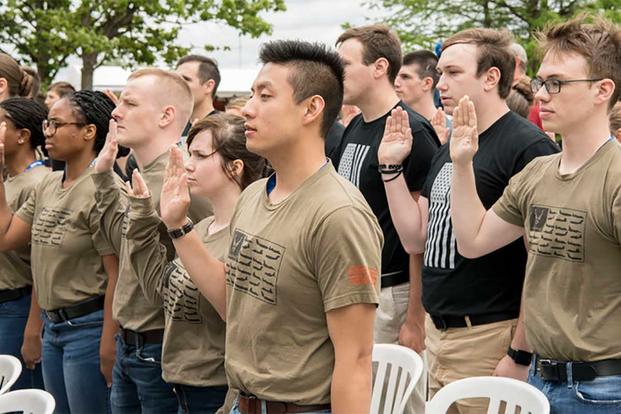
Joining the military can be an exciting and life-changing experience. There are a lot of reasons young men and women across the United States show an interest in the Armed Forces. Some have a multigenerational respect for the military and want to serve like their older relatives did. Others want job security and the benefits that come along with being in the military. Whatever the reason, joining the military can create a great foundation for future personal growth.
We can put you in touch with recruiters from the different military branches. Learn about the benefits of serving your country, paying for school, military career paths, and more: sign up now and hear from a recruiter near you.
Related: Understanding Military Time

Get the scoop on discounts and latest award-winning military content. Right in your inbox.

The Israeli military pledged to “pursue Hamas everywhere in Gaza” after the release of a hostage video Wednesday. (April...

For the first time, Ukraine has begun using long-range ballistic missiles provided secretly by the United States, American officials...

The United Nations called Tuesday for “a clear, transparent and credible investigation” of mass graves uncovered at two major...

After the third move, military spouses notice that the military is profoundly affecting their salary prospects, job hunt, and...

The Army has officially deployed BlueHalo's LOCUST Laser Weapon System overseas as the service's Palletized High Energy Laser (P-HEL)...