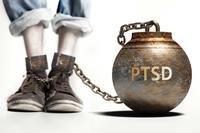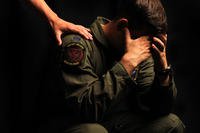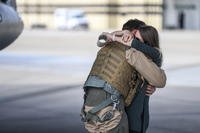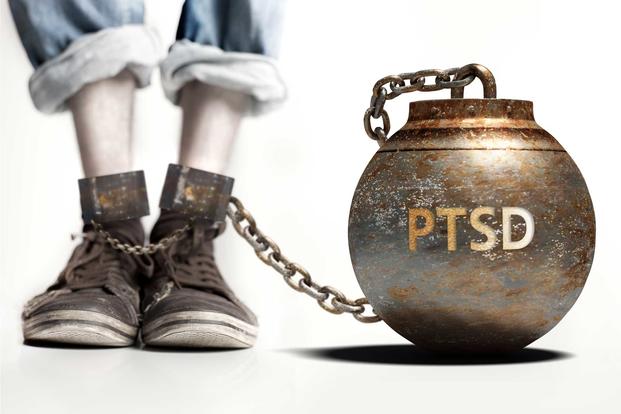
Post-traumatic Stress Disorder (PTSD) can occur following a life-threatening event like military combat, natural disasters, terrorist incidents, serious accidents, or violent personal assaults like rape. Most survivors of trauma return to normal given a little time. However, some people have stress reactions that don't go away on their own, or may even get worse over time. These individuals may develop PTSD.
People who suffer from PTSD often suffer from nightmares, flashbacks, difficulty sleeping, and feeling emotionally numb. These symptoms can significantly impair a person's daily life.
PTSD is marked by clear physical and psychological symptoms. It often has symptoms like depression, substance abuse, problems of memory and cognition, and other physical and mental health problems. The disorder is also associated with difficulties in social or family life, including occupational instability, marital problems, family discord, and difficulties in parenting.
The National Suicide and Crisis Lifeline is a tool for both current and former military members who need immediate mental health help. If you or someone you know is thinking about suicide, please call or text the National Suicide and Crisis Lifeline at 988.
Each VA medical center has PTSD specialists who provide treatment for Veterans with PTSD. Plus, the VA provides nearly 200 specialized PTSD treatment programs. A referral is usually needed to access the specialty programs.
The VA offers several PTSD treatment options, including medical, mental health, and family services.
Check out the VA's PTSD website for details.
Stay on Top of Your Military Benefits
Military benefits are always changing. Keep up with everything from pay to health care by subscribing to Military.com, and get access to up-to-date pay charts and more with all latest benefits delivered straight to your inbox.