
One of the best benefits that active duty and retired military service members receive is access to VA mortgages. The VA home loan program, which started in 1944, enables military personnel and their families to purchase homes using VA-backed loans. These loans are available without a down payment or private mortgage insurance (PMI), and with interest rates that are consistently lower than conventional mortgage rates.
In Military.com's comprehensive guide to VA home loans for 2026, we'll explain everything you need to know about VA mortgages, including who's eligible, the types of loans available, how much you'll pay in fees, and how to apply.
See What You Qualify For With a VA Loan
Check VA Eligibility
What is a VA Home Loan?
A VA home loan is a mortgage backed by the U.S. Department of Veterans Affairs (VA). Unlike traditional mortgages, which are backed by private lenders, the VA doesn't directly lend money to home buyers. Instead, it guarantees a portion of the loan issued by a private lender, like a bank, credit union, or mortgage company.
If the home buyer defaults on their mortgage, the VA agrees to pay their lender a certain amount (usually 25% of the loan). Because the VA steps in as a financial safety net, it reduces risk for lenders and allows for more competitive terms and interest rates. That makes homeownership more accessible and affordable for people who have served.
Some of the main benefits of VA home loans include:
- No down payment required
- No PMI
- Flexible credit score requirements
- Lower interest rates
- Limits on closing costs and fees
VA Home Loan Eligibility Requirements
Many people who have served in the military are eligible for a VA home loan, but not everyone is. VA home loan eligibility is based on service history and length, duty status, and character of service. Here are some general eligibility requirements for common military designations.
| Designation | Eligibility requirements |
|---|---|
| Active duty service members | Eligible after 90 consecutive days of service. |
| Veterans | Depends on when you served; most veterans are eligible if they have 90 days of wartime service or 181 days of peacetime service. |
| National Guard and Reserves | Typically eligible after six years of service, or 90 days of non-training active duty service under Title 10 or qualifying Title 32 orders. |
| Surviving spouses | Eligible if their spouse died in service, or from a service-connected disability, or if their spouse was missing in action or a prisoner of war (POW) for more than 90 days, and the surviving spouse never remarried. |
What Properties Are Eligible for a VA Loan?
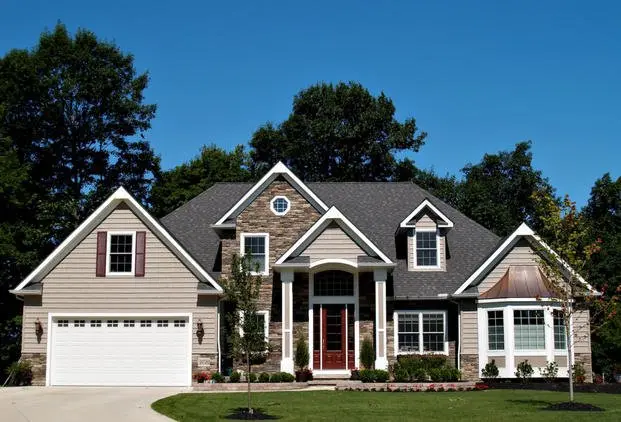
To qualify for a VA loan, the property must meet the following requirements:
- It's your primary residence
- The home is safe, structurally sound, and sanitary
- The property meets the VA's Minimum Property Requirements (MPRs)
What are the VA Minimum Property Requirements?
When you apply for a VA loan, the home will be appraised to ensure it meets the VA MPRs. Here's a closer look at those requirements:
- Safe mechanical systems: Heating, electrical, and plumbing systems must work properly and be safe.
- Adequate heating: The home must have a reliable, permanent heating system capable of keeping the home warm.
- Water supply and sanitation: The home must have safe, drinkable water and a functioning sewage or septic system, with no major plumbing leaks or contamination.
- Roof in good condition: The roof must prevent moisture intrusion and have enough life left to be considered reliable.
- No safety hazards: The property must be free of safety hazards like exposed lead-based paint, broken stairs or handrails, or dangerous decks.
- Sound structure: The home must be structurally stable, with no major foundation issues, wood rot, sagging floors, or significant damage.
- Pest-free: Termite or pest infestations must be treated, and any damage has to be repaired. Some states require mandatory termite inspections for VA loans.
- Functioning utilities: Water, electricity, and gas (if applicable) must be available and operational at the time of the appraisal.
- Adequate access: The home must have safe, legal access from a public or private road.
- Proper drainage: The property must drain properly to prevent water pooling or intrusion.
- Working kitchen and bathroom: The home must have a working sink, a way to prepare food, and at least one functioning bathroom.
- Livable space: There must be enough space for living, sleeping, cooking, and bathing.
- No broken windows or safety issues: All windows and doors must work and lock properly.
- Proper ventilation: Attics, crawlspaces, and roofs must have adequate ventilation to avoid moisture buildup.
It's important to know that investment properties, second homes, vacation homes, and rental properties you don't occupy full-time aren't eligible for VA loans. However, you can get a VA loan for a multi-family property if you live in one of the units.
Types of VA Home Loans
The VA offers several different types of home loans. The best VA home loan will depend on the type of property you're buying and your financial goals.
| Type of loan | Main use | Key features |
|---|---|---|
| VA purchase loan | Purchasing a single-family home, a condo in a VA-approved project, a manufactured home, or a 2-4 unit property (you must live in one unit). |
|
| VA IRRRL (Interest Rate Reduction Refinance Loan) | Lowering your interest rate on an existing VA loan, or switching from an adjustable-rate mortgage (ARM) to a fixed-rate loan. |
|
| VA cash out refinance loan | Accessing equity in your home, or refinancing a non-VA loan into a VA loan. | Allows you to withdraw cash for home improvements, debt consolidation, education, or emergency expenses. |
| Native American Direct Loan (NADL) | A special loan program for Native American veterans who are buying or improving homes on federal trust land. |
|
VA Loan Costs
While VA loans don't require PMI, most borrowers pay a VA funding fee, which supports the VA home loan program. You don't have to pay the funding fee out-of-pocket - it can be rolled into your total loan amount.
The fee depends on your down payment and the type of loan you get:
- 0% down: 2.15% (first use), 3.3% (subsequent use)
- 5-9.99% down: 1.5%
- 10% or more down: 1.25%
- IRRRL: 0.5%
Some borrowers are exempt from the VA funding fee. This includes:
- Veterans with service-connected disabilities
- Surviving spouses receiving Dependency and Indemnity Compensation (DIC)
- Certain Purple Heart recipients
Understanding VA Loan Entitlement
People who are eligible for VA loans have something called entitlement. A buyer's entitlement is the amount of money the VA guarantees on your behalf, and it determines how much you can borrow without a down payment. There are two types of VA loan entitlement: full entitlement and bonus entitlement.
Full Entitlement
You have full entitlement if you've never used a VA loan before, you've used a VA loan in the past, but paid it off and sold the home, or you had a VA loan but had your entitlement restored.
If you have full entitlement, it means you have no VA loan limits, and you can purchase a home with 0% down, no matter the price, as long as the lender approves you.
Partial Entitlement
You have partial or remaining entitlement if you currently have an active VA loan, you've defaulted on a previous VA loan, or you refinanced into another VA loan that still uses entitlement.
If you have partial entitlement, the VA imposes a loan limit, which is the maximum amount you can borrow. You might also need to make a down payment if you're buying a second home using a VA loan.
Basic Entitlement vs. Bonus Entitlement
Another component of entitlement that's important to understand is basic entitlement vs. bonus entitlement. With basic entitlement, the VA guarantees 25% for loan amounts of $144,000 or less (around $36,000). With bonus entitlement, the VA guarantee usually covers 25% of the loan amount above $144,000.
Benefits of VA Home Loans
VA home loans are a great benefit for people in the military. Here are some of the main advantages of this type of mortgage:
- No down payment: For eligible borrowers with full entitlement, you can finance 100% of the home's price.
- No PMI: VA loans don't require PMI, which is required for conventional buyers who put less than 20% down.
- Lower interest rates: VA loan rates are typically 0.25%-0.5% lower than conventional rates.
- Lower closing costs: The VA limits what lenders can charge and blocks certain closing cost fees, which can save home buyers money.
- Flexible credit requirements: There's no minimum credit score needed to get a VA loan. Many VA lenders approve borrowers with scores as low as 580 or 620.
- No prepayment penalties: You can pay off a VA home loan early without facing any penalty fees.
- Lifetime benefit: You can get multiple VA loans over the course of your life, as long as you meet the eligibility and entitlement requirements.
See What You Qualify For With a VA Loan
Check VA Eligibility
Downsides of VA Home Loans
Before you get a VA home loan, it's important to consider the potential downsides:
- VA funding fee: Most borrowers pay a funding fee of up to 3.3% of the loan, which increases the overall loan cost.
- Only available for primary residences: You can't use a VA loan for vacation homes or investment properties you won't live in full-time.
- Stricter appraisals: VA loan appraisals require homes to meet safety and condition standards, which can make buying fixer-uppers harder to finance.
- Occupancy requirements: You must move into the home shortly after closing, which limits flexibility for future rentals or delayed relocations.
- Lender overlays: Some lenders impose stricter credit or underwriting rules than the VA requires.
- Condo restrictions: Only VA-approved condo complexes qualify for VA loan financing.
- Closing costs still apply: You'll still have to pay normal closing costs, even though VA loans don't require PMI or a down payment.
How to Get a VA Loan
Getting a VA loan is a multi-step process, but in many cases, it's easier than getting a conventional mortgage. Here's a step-by-step look at how to get a VA loan.
1. Get Pre-Approved from a VA Lender
Before you start house hunting, you should get pre-approved for a VA loan. A pre-approval letter shows sellers you're qualified, and it helps you understand how much home you can afford.
To get pre-approved, a VA lender will review your credit score, income, debt-to-income (DTI) ratio, and service eligibility. A pre-approval is not a guarantee. It's just an estimate of how much money you might be able to borrow based on your financial history.
2. Obtain Your COE
You must have a Certificate of Eligibility (COE) to get a VA home loan. This certificate proves to your lender that you qualify for the VA loan benefit. Most lenders can retrieve your COE automatically, but you can also request a copy for yourself through VA.gov or by mailing VA Form 26-1880 to the lender.
3. Find a Real Estate Agent With Knowledge of VA Loans
If you're using a VA loan to buy a house, you can work with any real estate agent you want. However, it can be beneficial to work with a realtor who understands VA loans. When interviewing agents, ask about their familiarity with MPR requirements and VA appraisals.
4. Make an Offer
Once you've found a home, you can make an offer. When crafting an offer, remember that VA borrowers can ask sellers to cover up to 4% of closing costs. Additionally, earnest money deposits are typically refundable if the home doesn't meet VA requirements.
5. Get a Home Appraisal
The VA requires an appraisal for all properties being financed with a VA purchase loan. An appraisal ensures the property value supports the loan and that the home meets the VA MPRs.
6. Go Through Loan Underwriting
The next step is to formally apply for your VA loan, which will go through underwriting. During this process, the lender will verify your income, employment, personal financial assets, and the results of the home appraisal.
7. Close on the Home
The last step is to close on the home. At the closing, you'll sign the final documents, pay the closing costs, and get the keys to your new house.
When a VA Loan Makes the Most Sense
A VA loan is often the best option if:
- You don't have a large down payment
- You want the lowest monthly payment
- You plan to stay in the home for at least a few years
- You value flexibility and cost savings
However, a conventional loan may be better if:
- You want to put more than 20% down
- You want to avoid the VA funding fee
- You're buying a second home or investment property
Frequently asked questions
Who is eligible for a VA home loan?
VA home loans are available to eligible active duty service members, veterans, National Guard and Reserve members, and certain surviving spouses. Eligibility is based on length and type of service, duty status, and character of discharge.
In general, active duty service members qualify after 90 consecutive days of service. Veterans typically qualify with 90 days of wartime service or 181 days of peacetime service. National Guard and Reserve members may qualify after six years of service or qualifying active duty orders. Eligible surviving spouses may also qualify if their spouse died in service or from a service-connected disability and they have not remarried.
What are the main benefits of a VA home loan?
The main benefits of a VA home loan include no down payment requirement, no private mortgage insurance, competitive interest rates, and more flexible credit guidelines. VA loans also limit certain closing costs and do not charge prepayment penalties.
These features significantly reduce both upfront costs and monthly payments, making VA loans one of the most affordable mortgage options available to eligible military borrowers.
What fees do you pay with a VA loan?
Most VA loan borrowers pay a VA funding fee, which is a one-time charge that helps keep the VA loan program running. The amount depends on factors such as your down payment, loan type, and whether you have used a VA loan before. Some borrowers, including many disabled veterans and surviving spouses, are exempt from this fee.
In addition to the funding fee, borrowers pay standard closing costs such as appraisal fees, title fees, recording fees, and prepaid taxes and insurance. The VA limits what lenders can charge and prohibits certain fees altogether.
What is VA loan entitlement and how does it work?
VA loan entitlement is the amount the Department of Veterans Affairs guarantees on your behalf. This guarantee reduces risk for lenders and allows eligible borrowers to access favorable loan terms, including zero down payment options.
There are two main types of entitlement: full entitlement and partial entitlement. Borrowers with full entitlement typically have no VA loan limits, while those with partial entitlement may face loan limits or down payment requirements. Entitlement can often be restored after a home is sold and the VA loan is paid off.
What types of properties qualify for VA loans?
VA loans can be used to purchase primary residences only. Eligible property types include single-family homes, VA-approved condominiums, manufactured homes, and multi-unit properties with up to four units, as long as the borrower lives in one of the units full-time.
Properties must meet the VA’s Minimum Property Requirements, which ensure the home is safe, structurally sound, and suitable for living. Vacation homes and investment properties that you do not occupy are not eligible.
Are there VA loan limits?
VA loan limits depend on your entitlement status. Borrowers with full entitlement generally have no VA loan limits and can borrow as much as a lender approves based on income and credit.
If you have partial entitlement, VA loan limits may apply, which could require a down payment when purchasing a higher-priced home. Understanding your entitlement status is key to knowing how much you can borrow with a VA loan.
© Copyright 2026 Associated Press. All rights reserved. This material may not be published, broadcast, rewritten or redistributed.