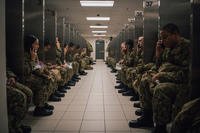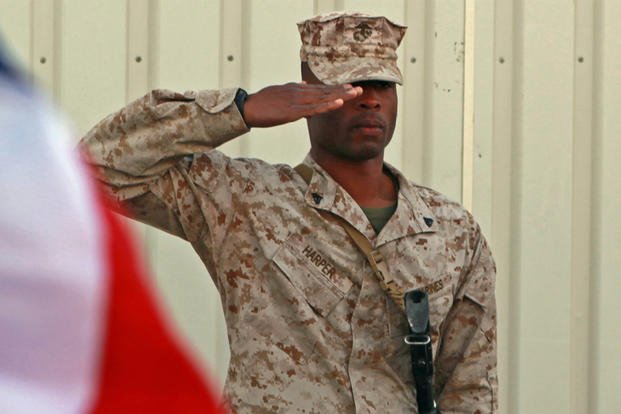
Becoming a Marine has been a noble tradition among patriots since the American Revolution, and it leads to great personal pride and respect. Along with the great respect earned by members of the United States Marine Corps comes great rewards. But these rewards are not given easily; they must be earned. Making it as a Marine takes hard work, sacrifice, focus and determination.
The first test all Marine recruits must face is recruit training. You can expect recruit training to be the most physically and mentally challenging experience of your life. Marine recruits train hard and learn constantly. For that reason, you must prepare before you actually go to basic training.
Here are some tips to help you be ready for basic training and the rewarding career that follows:
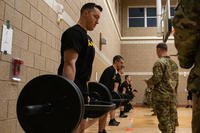
Preparing for the strength and fitness challenges
Your recruiter will give you a training guide, complete with exercises, instructions and special tips. The guide will help you track your progress as you complete periodic trial runs of the initial strength test (IST) and physical fitness test (PFT), which are necessary to begin recruit training.
Note: If you show up to basic training in poor physical shape, you may be assigned to the physical conditioning platoon until you meet the minimum standards. This will likely delay graduation.
Starting or intensifying your exercise and fitness program is a great way to become more mentally prepared for recruit training, as it creates a mindset of challenge and triumph. Healthy eating habits also will help greatly, as you will become accustomed to the habits you will adopt once in the Marine Corps.
Prepare for the mental challenges
By definition, Marines are physically fit. But the Corps also demands that you be mentally fit. The best thing for any future Marine to do is to become a serious student while still in high school. Developing good study habits will ensure not only that you make it as a Marine, but also help you do well throughout your career as a Marine and beyond.
The rewards
Although emphasis is put on the importance of Marine Corps Recruit Training, people sometimes forget that the recruit-training environment is not the way Marines live from day to day. Recruit training is an extremely intense time of testing and preparation. At the end of that 13-week test, a recruit becomes a Marine and enjoys a completely different status within the Marine Corps. As a graduate from recruit training, you will receive the Marine Corps eagle, globe and anchor -- along with 10 days off (leave) to visit home -- before beginning training for your military occupational specialty (MOS).
Interested in Joining the Military?
We can put you in touch with recruiters from the different military branches. Learn about the benefits of serving your country, paying for school, military career paths, and more: sign up now and hear from a recruiter near you.