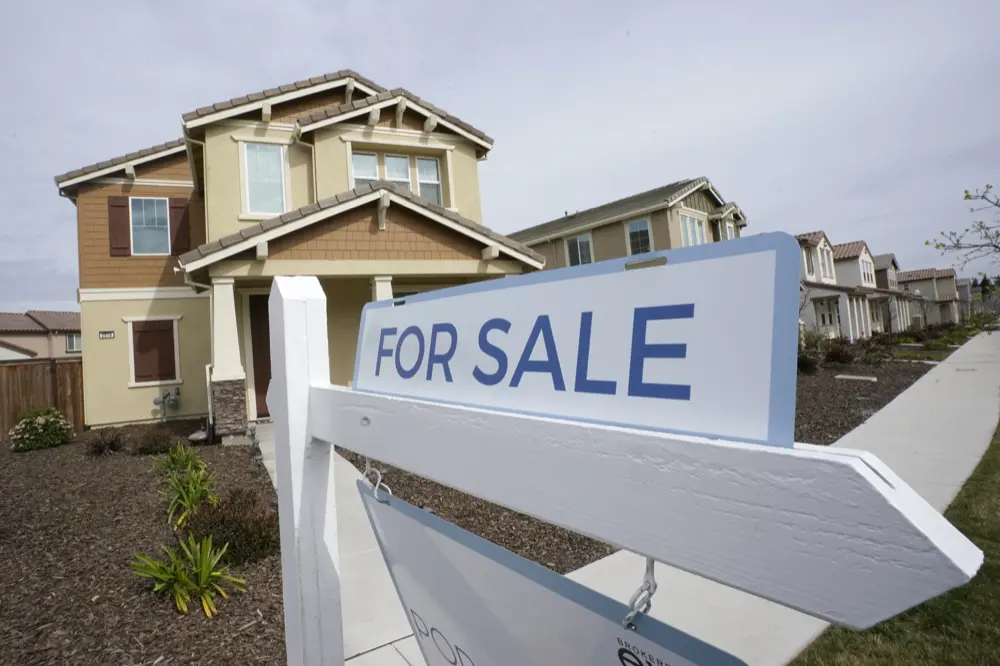

For some active duty service members, homeownership can be an enticing opportunity. If you’re expecting to live in the same place for at least a few years, buying a home can be a great investment, especially if you can take advantage of a VA loan.
But because active duty service often leads to PCS moves and deployments, you might be wondering if now is the right time to buy a home. Ultimately, whether you should get an active duty military home loan depends on your individual situation, financial readiness, duty station, and long-term goals.
See What You Qualify For With a VA Loan
Check VA Eligibility
Benefits of Active Duty Military Home Loans
For some people serving in the military, getting an active duty military home loan can be worth it. Here are some of the biggest advantages.
VA Loans Offer Exceptional Benefits
Active duty service members qualify for VA home loans after 90 days of service. VA loans offer great benefits that can make homeownership more accessible to military families. Some of the key benefits of VA loans include:
- No down payment
- No private mortgage insurance (PMI)
- Competitive interest rates
- Flexible credit requirements
- Limited closing costs
A VA loan can dramatically reduce the upfront cost of buying a home and make ownership more affordable, which is an added benefit for first-time homebuyers.
You Can Use Your BAH to Build Equity
One of the biggest financial advantages that service members have when buying a home is Basic Allowance for Housing (BAH). Instead of spending your BAH on rent every month, you can put it toward an active duty military home loan, which builds equity—something you can potentially cash out later when selling or refinancing. In some areas, BAH might even cover your entire monthly mortgage payment.
Potential for Long-Term Investment
Purchasing real estate can be a good long-term investment. If you buy a house in the right market and hold the property for long enough, your home may appreciate in value. Some service members even turn their homes into long-term rental properties after relocating, which can provide passive income.
Stability for Your Family
Serving in the military often involves frequent moves, both domestically and internationally. Relocations can be disruptive, especially for families with children. Owning a home can provide a sense of stability, control, and consistency. You’ll also have more predictable housing costs, which can be beneficial if you get deployed.
Tax Benefits
When you purchase a house with an active duty military home loan, you can take advantage of certain tax benefits, like mortgage interest deductions, property tax deductions, and potential capital gains exclusion when you sell. These tax write-offs can reduce your annual tax burden and improve the overall affordability of homeownership.
Downsides of Active Duty Military Home Loans
While the benefits of a homeownership can be compelling while you’re on active duty, there are also significant drawbacks to consider before getting an active duty military home loan.
PCS Orders Can Disrupt Your Plans
One of the biggest risks of buying a home while on active duty is PCS orders, which can come with little notice. If you receive PCS orders just a few months or years after purchasing your home, it could have consequences. If the local housing market is slow, or your home hasn’t appreciated, selling quickly could result in a financial loss. Even renting out the home may not fully cover your mortgage, depending on your location.
Market Uncertainty
The real estate market fluctuates, no matter where you buy. Purchasing a home at the wrong time can lead to challenges like decreased property values, minimal equity, higher mortgage payments than local rents, and difficulty selling. If you’re only planning to live in a house for a few years, market swings could be consequential. In this case, you might hold off on getting an active duty military home loan.
Unexpected Homeownership Costs
When you rent an apartment, your landlord takes care of most of the major expenses. But when you own a home, you take full financial responsibility for repairs, maintenance, upgrades, property taxes, utilities, and insurance. These expenses can add up quickly, especially if you're deployed and need to hire professional help to keep the house running.
Deployments Can Complicate Homeownership
If you get deployed, the financial responsibilities of homeownership may fall on your spouse or other family members. Depending on your mortgage payments and other living expenses, these costs could put a financial burden on the people back home. Before you get an active duty military home loan, make sure that your spouse or family members could afford to pay the mortgage if you were deployed.
Renting Out the Home Isn’t Always Simple
Some people get active duty military home loans with the assumption that they can rent the house if they get PCS orders or get deployed. However, renting your home isn’t always easy (or guaranteed). You’ll need to be prepared for tenant turnover, vacancies, legal requirements, property management costs, and repairs, no matter where you’re living.
Questions to Ask Before Getting an Active Duty Military Home Loan
If you’re debating whether to get an active duty military home loan, it can be helpful to look at your current situation and future plans. Here are a few questions you should ask yourself to decide whether now is the right time to get a mortgage and buy a home.
How Long Do You Expect to Stay at Your Duty Station?
If you’re not planning to stay at your duty station for more than three to five years, renting may be a safer option than buying a house. However, if you’re mostly settled in your current location and don't expect to move voluntarily or for PCS, you’ll probably have enough time to build equity and withstand market fluctuations.
What is the Local Housing Market Like?
Research the local housing market in your area, including home price trends, rental demand, property taxes, and general appreciation rates. Buying a home in a declining or overpriced market can increase your risk, meaning you’re probably better off waiting to get an active duty military home loan until you’re in a better location.
Are You Financially Prepared for Homeownership?
While homeownership can be a good long-term investment, it can still be very expensive. Before you take out a mortgage, you should ideally have an emergency fund with three to six months of expenses, a stable monthly income, and additional money saved for home repairs and maintenance. Even with a VA loan, homeownership still requires a financial cushion, and you shouldn’t rush into it if you’re not in a good financial position.
Would You Feel Comfortable Becoming a Landlord?
If you receive PCS orders unexpectedly, renting your house and becoming a landlord may be your best option. But not everyone wants to manage tenant issues or take on the legal and financial responsibilities of renting their home. Consider whether this is something you can take on from another state or part of the world before getting an active duty military home loan.
Does Your Family Want or Need the Stability of Owning a Home?
Owning a home makes more sense for some military families than others. For example, if you have children in school, or your spouse works locally, getting a mortgage to purchase a home might be worthwhile. But if you’re single, or if you’re interested in trying out other locations, waiting to get a mortgage probably makes more sense.
What are Your Long-Term Plans?
Active duty military home loans can be a good option depending on your long-term plans. For instance, if you plan to retire in the area, move back after service, or want to use the home as a rental property later on, purchasing a house might be the right move. On the other hand, if you aren’t certain about your future plans, you shouldn’t rush into a mortgage.
See What You Qualify For With a VA Loan
Check VA Eligibility
When It Makes Sense to Get an Active Duty Military Home Loan
Generally, getting a mortgage to buy a home while you’re on active duty could be a smart move if you meet the criteria below:
- You expect to stay put for at least three to five years
- The local housing market is stable or growing
- Your BAH covers most or all of the mortgage payment
- You have emergency savings
- You’re open to renting the home if you receive PCS orders
- You want to build long-term wealth
However, you should probably consider renting if:
- You expect PCS orders soon
- You’re in basic training, AIT, or are early in your career
- You don’t have savings for unexpected home costs
- The local housing market is declining
- You don’t want the responsibility of renting out your property
- You’re unsure of where you want to settle long-term
Final Thoughts
It’s common to wonder whether it makes sense to get an active duty military home loan. While homeownership can be exciting and a smart financial move, it also has downsides and risks that civilians don’t typically face.
The key to deciding if you should purchase a home while serving is to think strategically. Evaluate how long you’ll be at your duty station, consider your financial readiness, research the local housing market, and plan for deployment scenarios.
If you’re financially prepared, confident in your long-term plans, and willing to navigate military-related uncertainties, buying a house with an active duty military home loan can be a smart move. If not, renting offers flexibility, simplicity, and peace of mind until you’re ready to buy.
Frequently asked questions
Is it a good idea to get a mortgage while on active duty?
Getting a mortgage while on active duty can be a good idea for some service members, but it depends on your situation. If you expect to remain at your duty station for several years, have stable finances, and are prepared for the responsibilities of homeownership, buying a home can help you build equity and long-term wealth.
However, frequent PCS moves, deployments, and market uncertainty make homeownership riskier for active duty members than for civilians. Carefully evaluating your timeline, finances, and backup plans is essential before committing to a mortgage.
Should I buy or rent while on active duty?
Buying may make sense if you plan to stay in one location for at least three to five years, your BAH covers most of the mortgage payment, and you are financially prepared for repairs and maintenance. Renting often provides more flexibility, which can be valuable given the unpredictability of military life.
If you expect PCS orders soon, are early in your career, or prefer fewer financial responsibilities, renting is usually the safer option. The right choice depends on how much stability versus flexibility you need at this stage of your service.
How long should you plan to stay before buying a home on active duty?
Most financial experts recommend planning to stay at a duty station for at least three to five years before buying a home. This timeframe gives you a better chance to build equity, absorb closing costs, and ride out short-term market fluctuations.
If you move sooner than expected, selling quickly could result in a loss, especially in slower housing markets. A longer planned stay generally lowers the financial risk of buying while on active duty.
Can active duty service members use a VA loan?
Yes, active duty service members can use a VA loan after meeting minimum service requirements. In most cases, you become eligible after 90 consecutive days of active duty service during wartime or qualifying service during peacetime.
VA loans offer significant benefits, including no down payment, no private mortgage insurance, competitive interest rates, and more flexible credit guidelines, making them especially attractive for active duty buyers.
Does BAH count as income for a mortgage?
Yes, Basic Allowance for Housing is typically counted as qualifying income when applying for a mortgage. Lenders usually include BAH when calculating your income because it is a stable, recurring allowance intended to cover housing costs.
In many cases, lenders will gross up BAH since it is non-taxable, which can improve your debt-to-income ratio and borrowing power. How BAH is treated can vary by lender, so it is important to confirm their specific guidelines.
What happens to my mortgage if I get PCS orders?
If you receive PCS orders after buying a home, you remain responsible for the mortgage. Common options include selling the home, renting it out, or continuing to own it as a long-term investment.
Each option comes with tradeoffs. Selling quickly may be challenging in certain markets, while renting requires managing tenants, repairs, and vacancies. Before buying on active duty, it is important to have a realistic plan for how you would handle your mortgage if you are required to move unexpectedly.
© Copyright 2026 Associated Press. All rights reserved. This material may not be published, broadcast, rewritten or redistributed.