

By Maria Goodavage
Wherever the president goes, Secret Service dogs will have cleared the way and are always at the ready to protect and serve. But they’re Secret Service dogs, so most people don’t know anything about these courageous pups. Here are 10 fascinating facts I uncovered during my research for my forthcoming book Secret Service Dogs: The Heroes Who Protect the President of the United States (Dutton; publication date: October 25, 2016; hardcover, $28.00).
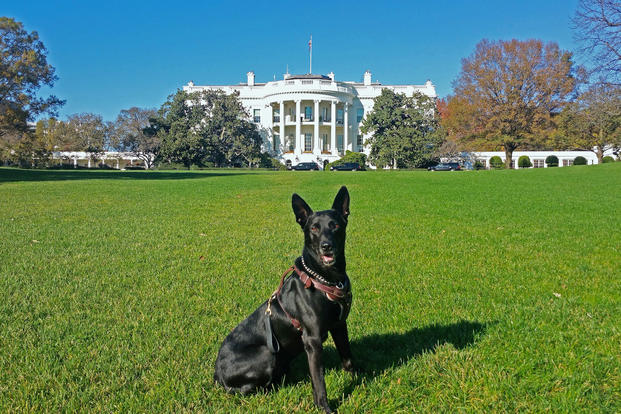
1. If a Secret Service explosives detection dog alerts near the White House, it can prevent the president from leaving or re-entering the White House, or interrupt presidential meetings.
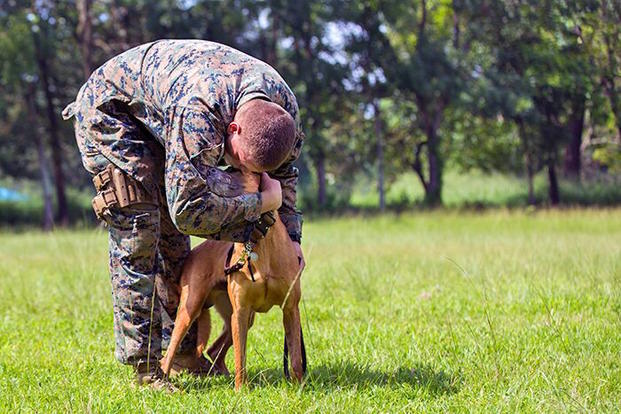
2. The bond between a Secret Service dog and handler runs incredibly deep. The dogs live with their handlers, and will go on to retire to their handlers. The bond, nothing short of love, is part of what makes these teams so strong and effective.
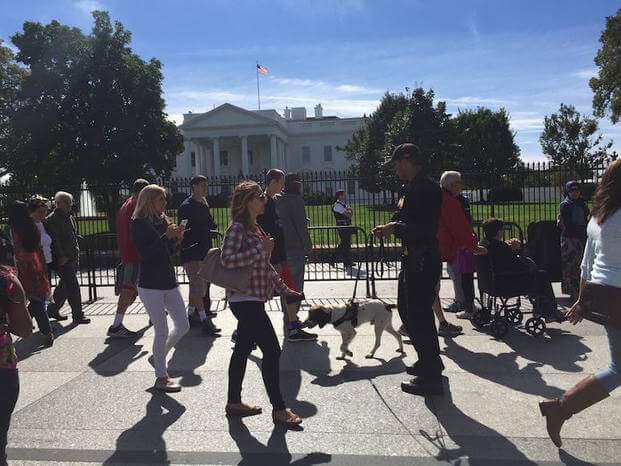
3. Nearly every visitor to the White House is screened by a dog, but most never realize it.
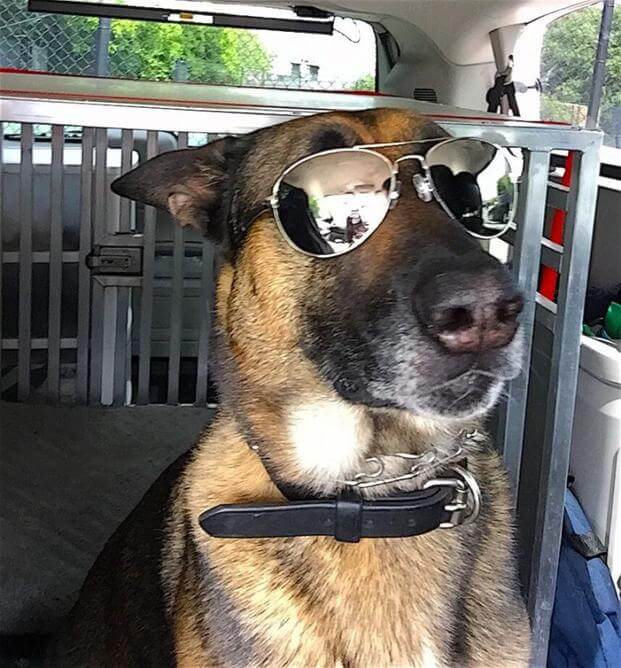
4. Every vehicle that enters the White House complex gets searched by a dog. The average Secret Service explosives detection canine searches 7,020 vehicles per year. That’s a lot of trunks and doors.
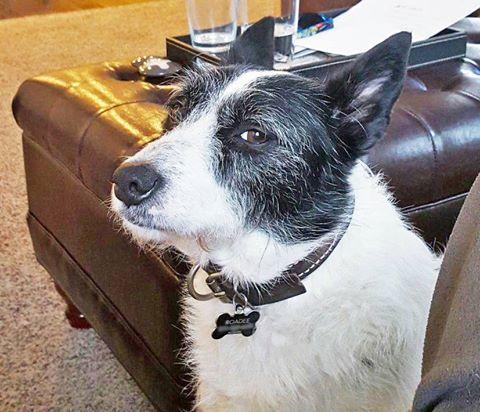
5. These dogs help protect presidential candidates. Fortunately the dogs are nonpartisan, so they don’t care if it’s Trump or Clinton—they’ll do their job with equal gusto.
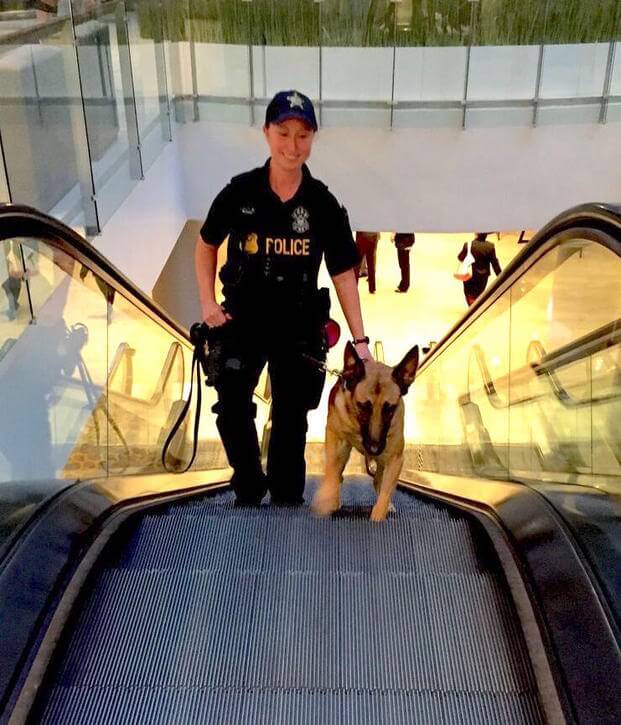
6. Secret Service dogs have found explosive devices, but you will not have heard about these “finds.” The Secret Service has never revealed these because of OPSEC (operational security).
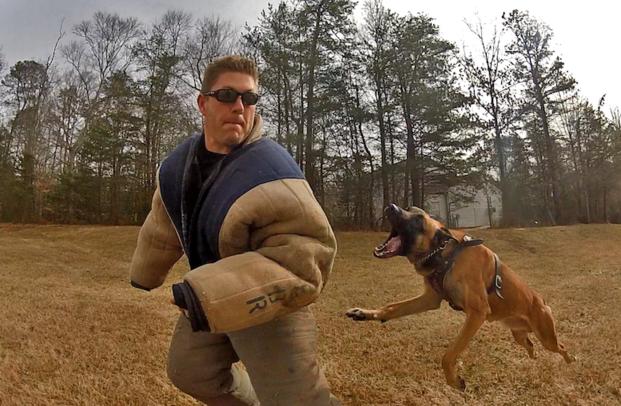
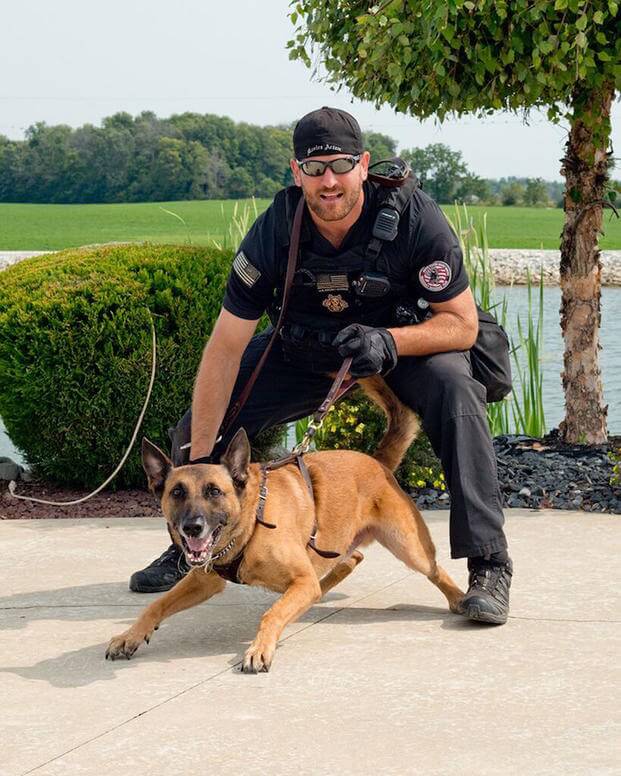
7. Emergency Response Team (ERT) dogs—the tactical dogs of the Secret Service—are so well trained that they can be leaping and in mid-air about to bite a “bad guy,” but not follow through if their handlers call them off – with just a single command.
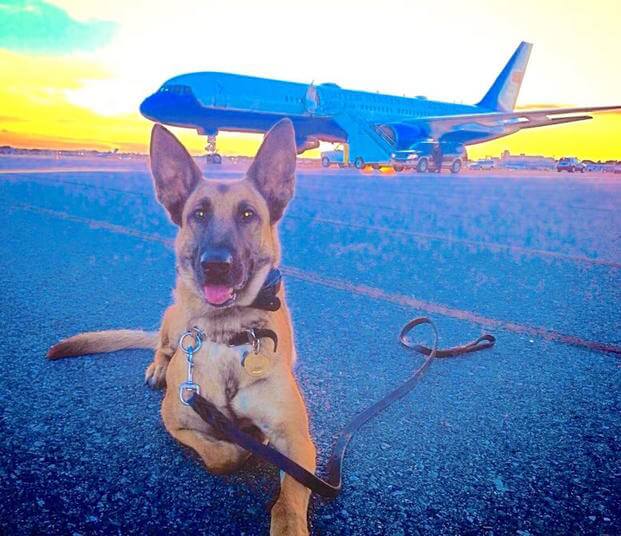
8. Secret Service dogs are among the top frequent fliers of the canine world, with more than 200 flights—many international—during the course of their careers. In presidential campaign years, Secret Service dogs chalk up an average of 36 flights.
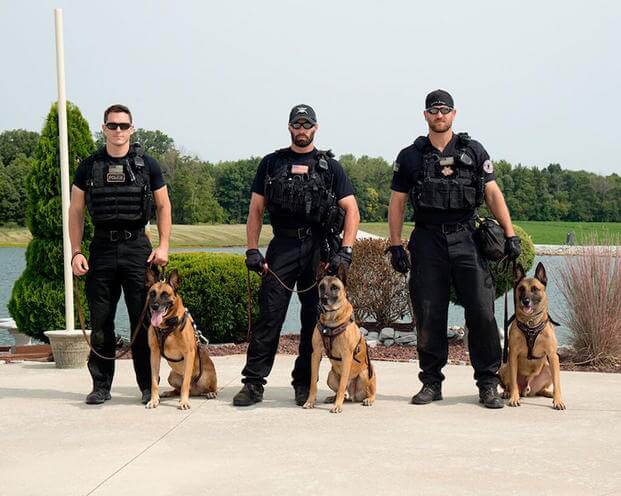
9. These dogs, like most military dogs, are usually born and raised for a couple of years in European countries such as the Netherlands and the Czech Republic. Most are Belgian Malinois, not German shepherds.
10. Squirrels, which thrive in the White House area, have been tormenting Secret Service dogs for decades.


