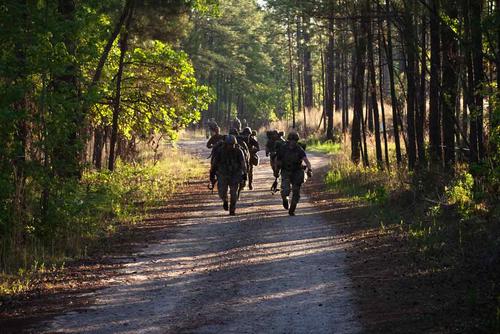





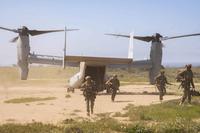
The U.S. military announced on May 29 the withdrawal of another 4,000 "surge" troops from Iraq after reporting that violence across the country has hit a four-year low.
It said the latest pullout was to be completed by next month. It is the fourth brigade to withdraw from Iraq out of five that deployed under the controversial "surge" of American forces in February 2007.
"The brigade played an integral role in establishing the conditions for long-term security in Iraq by reducing violence in the Diyala province by 70 percent," the military said in a statement.
The latest withdrawal announcement came after U.S. officials said that last week had seen the lowest level of violence across Iraq in four years, but gave no casualty figures.
Figures maintained by the independent website www.icasualties.org show that the number of U.S. fatalities so far this month was 19, the lowest average since the American invasion in March 2003.
Total U.S. losses in Iraq are 4,084, according to the website.
Washington has said it wants to complete the withdrawal of the 30,000 surge troops by July and have a 45-day evaluation period before considering the overall level of U.S. troops.
Earlier this month, the Americans said they had 152,500 troops deployed across Iraq together with an estimated 10,000 troops from other countries contributing to the U.S.-led coalition.
U.S. military spokesman Rear Admiral Patrick Driscoll said violent incidents had declined 70 percent since last year's "surge" which saw an extra 30,000 Soldiers poured in to curb sectarian violence.
"Iraqi-wide we have seen a significant reduction in violence in the past week," Driscoll said on Sunday. "Security incidents decreased to a level not seen since March 2004."
However, he cautioned that Al-Qaeda still posed a serious challenge to American and Iraqi security forces and had the ability to stage deadly suicide bombings and fuel sectarian clashes.
On Thursday, at least three people were killed and 12 wounded when a suicide bomber blew up an explosive-laden vehicle in a group of policemen just outside the main northern city of Mosul, police said.
Iraqi security forces backed by the U.S. military have been conducting a major crackdown against jihadists in the area since May 14. Mosul is regarded by the American military as the last urban bastion of the Al-Qaeda in Iraq.
And on Wednesday, the U.S. military said its forces shot dead 10 suspected "special group," or allegedly Iranian-trained, militiamen in an east Baghdad neighbourhood just outside the Shiite stronghold of Sadr City.
Iraqi security forces which moved into Sadr City under a truce deal agreed on May 10 have been seizing arms and explosives, officials said, adding however that fighting there had died down.
U.S. ambassador to Iraq, Ryan Crocker, said he saw a steady improvement in the situation in Iraq, with local police and security forces better able to take control of the situation and deal with insurgents.
Crocker opened two provincial reconstruction offices in the Shiite holy cities of Najaf and Karbala over the weekend and called for faster rebuilding saying the security situation had made it possible.
Meanwhile, Iraq's international backers are meeting in Stockholm to take stock of developments in the country.
Prime Minister Nuri al-Maliki is hosting the conference alongside UN chief Ban Ki-moon with the hope of winning debt forgiveness, a cut in war reparations and a bigger slice of foreign aid to rebuild his ravaged nation.