A Quick Guide to Traveling Overseas with your Child

By Ralph Nelson

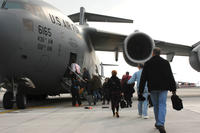
According to the CDC, an estimated 1.9 million children travel overseas each year. For those of you who think traveling abroad alone with a young child is crazy, read on. With a little organization, traveling overseas with your child can be a kid-event to remember forever.

"Come va?" the Italian waitress asked. "Sto bene, gratzie," my 8-year-old daughter replied without hesitation, "Margareita pizza, per favore." So began my daughter's trip in Italy – politely ordering a plain cheese pizza in Rome.

For a variety of reasons, I had to take my daughter to Italy for a week. It was a challenge, but in the end we had a spectacular time because we were prepared – and that made all the difference in the world. Since I don't want other parents to suffer like I did, I decided to write about my five planning categories: travel prep, personal effects, safety, communication, and the quintessential activity bag.

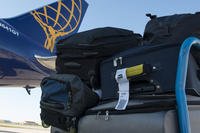
Note: The first three rules in our house are safety, safety, and safety (a hold-back from my navy pilot days). You'll notice the word "copies" throughout this article. Losing important paperwork abroad is bad enough, but not being able to get home or through customs because you've lost your paperwork is another story. When you leave for the airport, you should have three copies of all of your paperwork – just-in-case: one in your carry-on activity bag, one in your checked-in luggage, and a final copy with your family back in the states.
Travel Prep
  1. Itinerary w/map (copies)
  2. Travel Paperwork (copies)
  3. Plane tickets (copies)
  4. Lodging (copies)
  5. Parent Authorization Letter (copies)
  6. Currency
  7. Culture Homework
Travel Prep

1. Itinerary. Have your child help you map out where you are going and when is essential because it gives them a sense of ownership in the trip and everything else flows from there. You need to include where you are staying, points of contact, and phone numbers. The more detail the better in case someone needs to find you.

2. Travel Paperwork

  • Passport. Everyone who wants to leave the country needs a U.S. passport. Don't have one? Print the form (http://foia.state.gov/FORMS/Passport/ds0011.pdf), Get your passport pictures (local photo place), apply for your passports (http://iafdb.travel.state.gov/), and make sure you sign them when you get them two to six weeks later depending on whether or not you want to pay the $60 expedite fee. Already have a passport? Make sure you check the expiration date.
  • International Drivers License. I liked the idea of getting one just in case we needed to rent a car. All you need to do to get one is drop by your local AAA office with your U.S. driver's license.

3. Plane tickets. Don't get your plane tickets until you have your passports – because airlines won't let you on the plane without a passport. To get the best price, buy your tickets well in advance. Be sure to ask for child discounts from your airline. FYI: The American Academy of Pediatrics recommends rear-facing Federal Aviation Authority (FAA)-approved, child-safety seats for children at least a year old and less than 20 pounds; forward-facing, FAA-approved, child-safety seats for children weighing 20 to 40 pounds; and regular airline seat belts for children heavier than 40 pounds.

4. Lodging. Finding the best place to say overseas with children is beyond the scope of this article. Obviously, your budget has something to do with it, but pools and bunk beds always top my kid's list.

5. Notarized parent authorization letter. Believe it or not, you need to have a notarized (local bank, AAA, or notary) custody letter from your child's other parent/guardian stating it's OK to leave the country with them, and in some cases, to authorize medical treatment. It should state the guardian's name, authorization to take your child, in addition to where and when you are going. To be extra careful, I attached a copy of my spouse's passport and child's birth certificate to our parent authorization letter.

6. Currency. Although we preferred credit cards to buy everything overseas, we still brought $100 of the local currency (Currency Exchange Bank) before we left. I wanted to be able to take a cab or have a snack upon arriving in Italy in case credit cards were not accepted. You will already have enough concerns on your mind traveling with your child. Hunger shouldn't be one of them. Have an idea what the current exchange rate is before you go to the bank (www.xe.com). You may want to split your foreign currency between your carry on and checked in baggage.

7. Culture Homework.

  • Customs. Read and talk about the customs, language, and cuisine of the country you plan to visit (www.google.com) with your child. Besides getting reading credits from my spouse, my daughter learned a little about Italian fashion (to my regret). I actually learned about some new pasta dishes!
  • Political Situation. Research for country warnings on the U.S. State Department's website (http://travel.state.gov) and for any current country events at the country's U.S. Embassy website (http://usembassy.state.gov).
Personal Effects
  1. Clothes
  2. Walking Shoes
  3. Collapsible Laundry Bag
  4. Wallet Contents (copy)
  5. Pack and Repack

Personal Effects

1. Clothes. Weather and situation appropriate clothing topped our packing list. Italians like to dress up a little more than Americans so we didn't pack any shorts or tank tops. Your country's web search should help you with your clothes selection. I'd avoid that requires dry cleaning and let your grade schooler and older children help you pack. My daughter enjoyed helping me pick out my outfits. Think that's a little odd? Remember her interest in Italian fashion.

2. Walking Shoes. I separate shoes from clothes because you are well, traveling. Consider getting a nice pair of walking shoes for you and your child if you don't already have a pair.

3. Collapsible Laundry Bag. I have to give my spouse credit for this one. We packed a collapsible mesh laundry bag (Target, WalMart, Container Store). It really helped reduce clutter in our hotel room.

4. Wallet Contents. Empty out your entire wallet on a photocopier and then copy the backside of each card as well. This will come in handy if it gets lost or stolen.

5. Pack and Repack. I think packing is an art and when traveling with a child, weight is a major factor. First, don't bring anything you intend to buy. Second, pack and repack. We packed to go to the airport a couple days before we left and then repacked the night before. The goal: reduce our stuff in half. For example, my daughter's future had at least one Italian t-shirt in it so we whittled down her t-shirts.

Safety
  1. Medical Prep (copies)
  2. Sun Precautions
  3. Electricity
  4. Emergency Travel Card (copies)

Safety

1. Medical Prep

  • Medical insurance.  Double check with your insurance carrier if they cover you overseas. Depending on where you go, you may have to pay for treatment first and ask for reimbursement from your insurance carrier. Not covered? Consider temporary insurance coverage (AAA).
  • First Aid Kit. Whenever you travel with young children, you should always have first-aid kits in case of cuts – including Band-Aids and first aid cream and Motrin for potential late-night ear infections. Also, throw in your child's favorite thermometer to confirm a fever. You will want to bring enough individual prescription medication to get you through the trip in the original container in case you are challenged by customs officials. Knowing the generic names of your medications in case you need to buy more overseas is also a good idea.
  • Pre-trip Pediatrician Check-up. Before you leave, it doesn't hurt to make sure your child is perfectly healthy and has all their required immunizations (www.cdc.gov/travel/vaccinat.htm). Some countries may require International Certificates of Vaccination – especially if they are infected with yellow fever.  If you or your child has a medical condition, you may want to bring your pediatrician's phone numbers and any documentation needed to treat it.

2. Sun Precautions. The second most avoidable child ailment, right after sore, feet is sunburn. If you are going somewhere where there is a lot of sun, pack sunscreen, sunglasses, and a hat. Although the hat may seem a bit extreme, we used it as a kid and adult finder. I've found few people wear hats in airports. When I wanted to know where my daughter was, I just had to look for the bright red hat.

3. Electricity. If you have anything you need to use like an electric shaver or hair dryer, you want electrical converter. Also, it's also nice to have a battery-powered flashlight to find your way around unfamiliar dark hotel rooms so you don't wake up your exhausted child.

4. Emergency travel card. Although you never intend to be separated, it is essential to have an emergency travel card on both you and your child at all times. On our card, we included a picture of us together, our date of birth, height and weight, hair and eye color, our U.S. phone number, and the contact information from that pesky itinerary I asked you to make earlier. I made sure my daughter's card was safety pinned to the inside of her coat before we left to go anywhere.


Communications
  1. Telephone
  2. Photography
  3. Memory Book
  4. Postcards

Communication

1. Telephone. Although it would probably be nice to have an international cell phone – I don't think so. We went with prepaid international telephone cards. If you need to make a call can't find a pay phone outdoors, try a hotel lobby.

2. Photography. Even if you are on a business trip with your child, remembering the parent-child event with pictures is a must. If you don't want to risk your regular camera, why not get a couple disposable cameras (Local drugstore). I took an inexpensive digital camera.

3. Memory Book. Back to the itinerary again. My daughter and I used our itinerary and trip research to make a memory note book with a blank page for each major event – as kind of a pre-trip-diary. She drew pictures with her pencils and crayons and wrote descriptions of things that interested her. Using pictures from my digital camera, we combined our efforts and made trip memory album after we returned home. Mom loved it.

4. Postcards. Your grade school or older child can make big points with the family and friends without spending a lot by sending postcards. First, buy them as soon as you get to your destination. But, who can remember all those addresses. The answer: pre-written postcard labels (Office supply store). Any small address label will do. The next big problem is getting your child to sit down and write them.

Quintessential Activity Bag
  1. Games
  2. Coloring
  3. Healthy snacks
  4. Good Book.
  5. Special Toy
  6. Change of Clothes

The Quintessential Activity Bag

Imagine missing your direct flight from the states due to weather and being re-routed through two additional countries (with layovers) to get to your destination. My daughter and I spent 12 more hours traveling than we planned. The quintessential carry-on activity bag can turn those 12 hours from record pain to an enjoyable experience. I used my backpack so I could have two free hands to get tickets, snacks, and my wallet.

1. Games. Our big favorite was travel magnetic chess/checkers. You know your child best, but why not use the newfound quality time with your child to teach them some new games. Cards anyone?

2. Coloring. Give my daughter a blank piece of paper and some crayons and in 20 minutes she'll have the next kid fashion craze designed. Have a less eccentric kid? Bring a fun coloring book.

3. Healthy Snacks. The most frustrating part of our trip was hunting for healthy food on the run. Save yourself a few gray hairs before you leave, and take your child shopping for non-perishable healthy snacks that they are willing to eat. Eating junk food won't help your stamina. My daughter liked trail mix, organic chocolate milk and raisins. The CDC recommends packing starches, cereals, yogurt, fruits, and vegetables and avoiding foods that are high in simple sugars, such as soft drinks, undiluted apple juice, gelatins, and pre-sweetened cereals.

4. Good Book. This is for you while your child crashes halfway through your trip. The lighter the better. I didn't want to have to worry about combing through the prolific airport magazine stores.

5. Special Toy. Finally, you should include a favorite toy or blanket to help your child have a little piece of home in the unfamiliar international environment during the trip.

6. Change of clothes. Imaging your child spilling their milk all over themselves halfway across the Atlantic. Then imagine smelling it a couple hours later. . . Exactly. Having a change of clothes in a zip-lock plastic bag is a piece of mind any parent should have on any really long trip.

That's it. After you take care of your travel prep, personal effects, safety, communication, and the quintessential activity bag you should be ready for most of the international child travel hiccups and focus on making the most memorable overseas parent-child event ever. Happy traveling!